8 Best Practices for Implementing Smart Farming Technologies
Smart farming is a growing field offering farmers innovative ways to increase food production, improve their overall efficiency, reduce costs, and optimize their yearly crop yields.
A 2020 report on global food security estimated that about 8.9% (690 million people) aren’t food secure and are hungry. This is on a planet with over 1.4 billion hectares of arable land.
The use of innovative farming principles like climate smart agriculture and smart farming technologies might just be the answer to the world’s food insecurity problem.
However, implementing smart farming technologies requires careful planning and execution. Here are eight best practices for the successful implementation of smart farming technologies.
Best Practices for Implementing Smart Farming Technologies
Whether you are a smallholder farmer or a large-scale producer, employing smart farming techniques will help improve your agricultural production, maximize your output and income, and help you save your immediate environment.
Smart farming involves using advanced technology in the form of artificial intelligence, drones, sensors, and IoT technology (Internet of Things) in general—all of this is to improve farming efficiency and crops.

It’s easy to see how one might consider this entire process complicated, especially if you are used to traditional ways of farming. With the right strategy in place, you can take full advantage of smart farming technology and find better ways to bring your farm into the future.
Here are some simple strategies you can start implementing today:
Get Started With a More Comprehensive Plan
Like you would with any other business, before implementing any smart farming technologies, take the time to develop a comprehensive plan. Identify your goals, the resources you need, and the potential challenges you may face. Moreover, you need to set up a budget plan for buying the necessary smart farming technology or technologies you foresee yourself needing.
This could be anything from smart agriculture sensors to livestock monitoring if you intend to practice livestock farming or any other agricultural machinery, depending on the kind of farming you want to do. You should also allow for the time it will take to install these technologies, learn how to effectively and efficiently use them, and teach your farm hands to do the same.
Evaluate Your Current Farm’s Infrastructure
To function effectively, smart farming technologies will require a robust and reliable infrastructure. Take the time to evaluate your farm’s current infrastructure, including internet connectivity and access to power. Check whether you need to upgrade your infrastructure to enable the integration of smart technology.
If you find it necessary to upgrade the infrastructure of your farm, be sure to do so according to compatible specifications regarding the different smart farming technologies you want to use on your farm. The best way to do this would be to directly approach your smart farming technology provider and ask for their specifications.
For the most part, they will send over an expert to come and evaluate your farm and recommend what needs to be done based on your upgrade requests.
Invest in Appropriate Smart Farming Technologies
Select the smart farming technology that suits your farming operation. Different smart farming technologies currently available for farmers include sensors, drones, GPS systems, and data analytics.
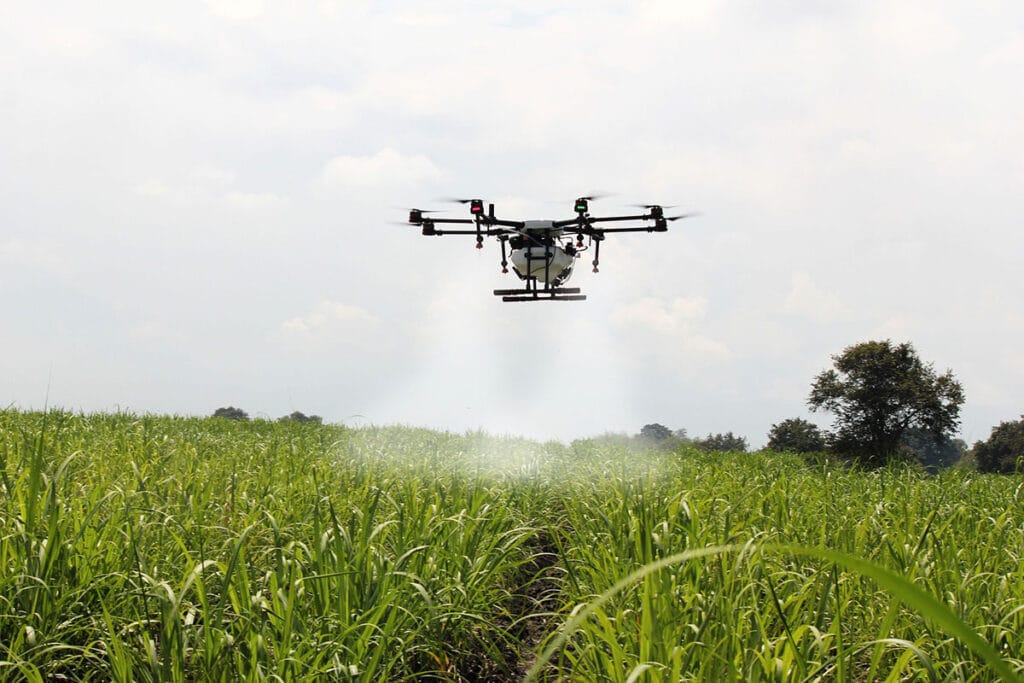
Determine what technology yields the best return on investment (ROI) and helps you achieve your goals.
Smart Farming Sensors
These are highly sensitive sensors that help you monitor various areas of your farm. This might include livestock monitoring, crop monitoring, soil monitoring…you name it. These sensors are designed to monitor and alert you of any changes in the environment or fields based on the set parameters.
Big Data
Most smart farms depend on artificial intelligence and big data. Without this, it would be impossible to get the kind of accurate forecasts that allow for active real-time planning and the design of efficient farming schedules or models. With big data, you can make longer-term decisions and develop better strategies for your farm’s direction.
Machine Learning
If you want to be able to predict changes in soil moisture, water quality, soil quality, climate, and other factors like carbon content, you need to use self-learning technologies that rely on machine learning.
Internet of Things (IoT)
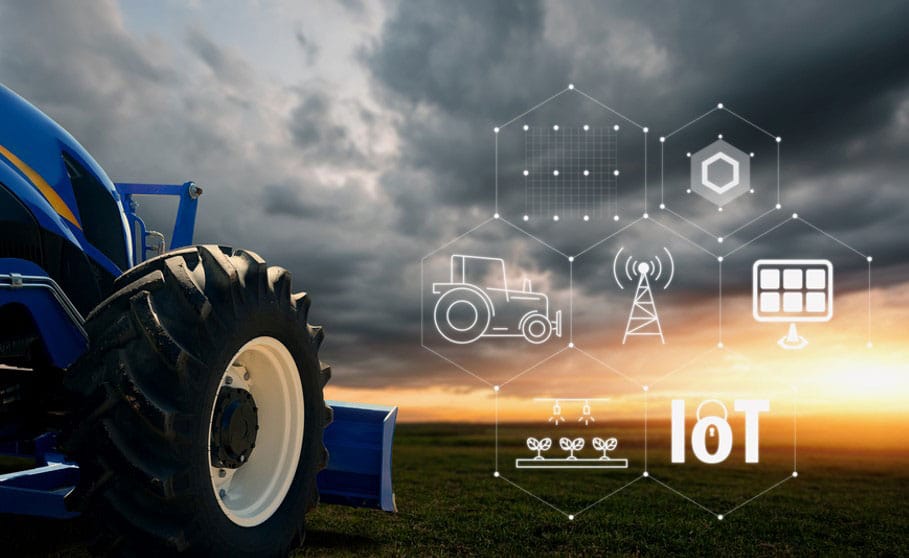
This makes it possible for any smart farmer to have all the digital farming technologies in one central hub, or at the very least, connected to one another. As such, your smart farming devices can share data as well as perform specified actions based on previous patterns or big data.
Train Your Workers
Smart farming technologies often require specialized skills to operate. Ensure that all employees understand how to operate the equipment and the data it generates.
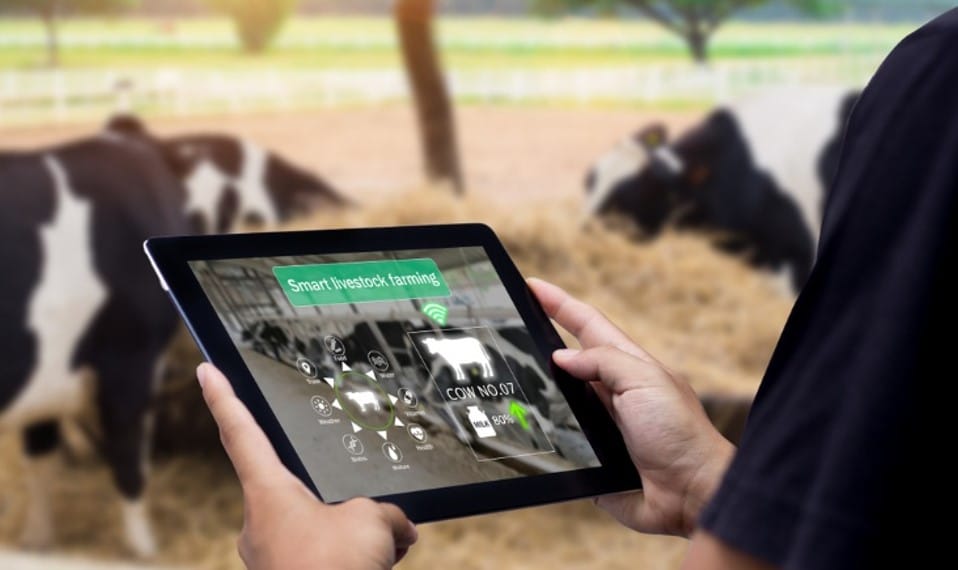
Give them time and adequate training to use these technologies effectively, especially when dealing with precision agriculture technology, where a mistake could affect the entire ecosystem.
Maintain Data Security
Data breaches are a reality in any field that uses modern technology. Keep in mind that the agriculture industry is not an exception to this because of the fact it now uses smart technology.
Since smart farming technologies generate a large amount of data, it’s absolutely essential that you keep this data secure and ensure that only authorized personnel have access to it.
Data security is important for regulatory compliance and can be a worthwhile defense against cyberattacks.
Monitor the Outcomes
Regularly monitoring and assessing the outcomes of smart farming technologies will help you understand whether they are achieving the desired results.
If you are not achieving the outcomes you expect, you can easily investigate why through big data and adjust your approach accordingly.
Be Open-Minded and Willing to Adapt
Implementing smart farming technologies is a learning process, and being open-minded and willing to adapt is essential. Stay up-to-date on the latest trends and innovations, and be prepared to evolve your approach as the technology advances.
Work With Experts
Collaborating with experts like agronomists, software developers, and technology vendors will help you implement smart farming technologies more efficiently.
They can assist in selecting the appropriate technology, designing and deploying the infrastructure, and providing ongoing support and maintenance.
Implementing smart farming technologies is a significant investment, but it can benefit your farm significantly. By following the best practices highlighted above, you can ensure that your investment pays off, improving your efficiency, profitability, and sustainability in the long run.
Inspired? Pin it!