Water Pollution Solutions in Cities – What Smart Cities Do to Ensure Good Water Quality
Along with climate change and loss of biodiversity, pollution ranks among the severe crises facing the planet. There is not much data available on the quality of water from groundwater, lakes, and rivers, putting more than 3 billion people across the globe at risk of disease.
And now the good news. Smart cities tackle this challenge with advanced technologies like the Internet of Things (IoT). Find out how tomorrow’s cities are implementing effective water pollution solutions to reduce the global water crisis and improve water management.
IoT-Based Water Quality Monitoring
Common water pollution interventions like wastewater treatment, stormwater runoff management, and water conservation practices are great.
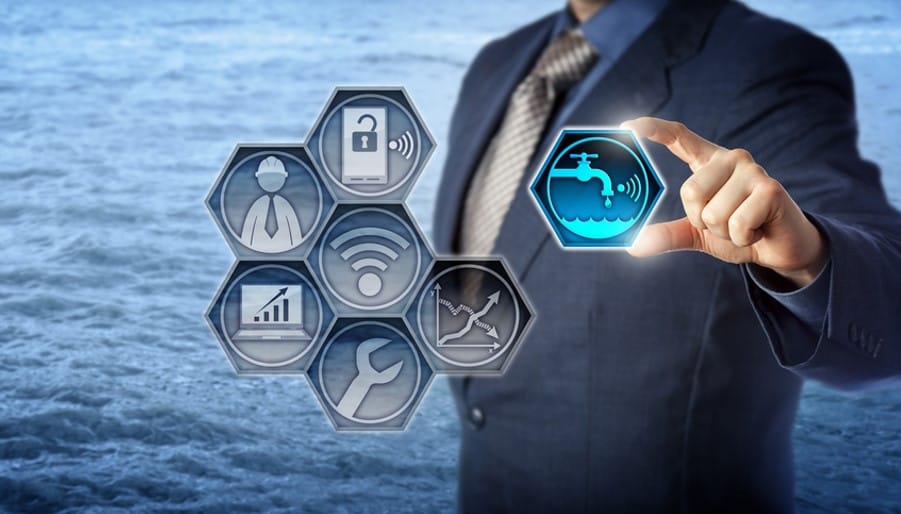
However, more urban areas are actively looking for better ways to stay ahead and mitigate the global water crisis. This is why many futuristic cities are investing in smart water systems with innovative water quality management.
Some cities now deploy IoT-based systems with artificial intelligence (AI) software to monitor important water quality parameters. By collecting relevant data, these systems can predict water quality and adjust water treatment plans as needed.
IoT-based water quality monitoring technology has been used in the UK to successfully tackle Legionnaire’s disease, a waterborne disease that can cause pneumonia. The system continuously monitors the water temperature and warns of potentially risky temperature levels that could indicate the presence of legionella bacteria that causes Legionnaire’s disease.
Real-time monitoring and evaluation systems can also be deployed in reservoirs, rivers, and lakes to provide early warning of contaminants such as harmful algae bloom. These systems combine automated telemetry, cloud-based analytics, and other groundbreaking detection methods to provide real-time data on the various substances in water sources.
Installing Smart Water Products
Millions of people are exposed to unsafe drinking water both in developing and developed countries. A 2018 study found that 16 million people suffer from water-related health problems across communities in the US every year.
In addition, water pollution affects freshwater resources like fish, increasing food insecurity over the past few years.
To stem this tide, municipalities, as well as entire countries, are investing in smart water products that combine IoT technology with sensors.
Smart city solution companies are developing a number of products to detect water quality parameters like pH, oxidation-reduction potential, dissolved oxygen, temperature, and conductivity.
Smart water products are equipped with various optical and digital sensors, making them robust devices for generating highly accurate results. These smart water pollution solutions have produced impressive results in places like:
- Canada: Indigenous communities have access to safe and clean water thanks to IoT-based technology. In addition to being effective, the system is cost-effective and eliminates human error.
- New Zealand: Smart water technology monitors and controls salinity for improved salmon and mussel fishing.
- Russia: A combination of drones, sensors, and blockchain technology provides reliable and transparent data for monitoring and controlling water quality in the Volga River, Europe’s longest river.
- Aragon, Spain: IoT technology is used to monitor the health or quality of rivers to boost the local economy.
Using Remote Water Meters
Traditional water meters are designed for one sole purpose: measuring the volume of water used in buildings. Typically, this helps water authorities determine water pricing.
However, using standard water meters to monitor water consumption comes with plenty of challenges that deprive consumers of optimal service. For example, regular water meters are poor at detecting and reporting leaks, and readings must be done physically at homes or premises when consumers are available.
With remote water meters, readings are provided in real-time, meaning consumers do not need to be available, nor do local authorities need to visit any physical site to take readings.
Interestingly, smart water meters aren’t limited to measuring water usage; they ensure good water quality, too. Along with smart meters, sensors can be installed on water distribution networks to help detect leaks, monitor water quality, and reduce wastage.
Some cities in France and Europe use this technology to provide homeowners, companies, and local authorities with continuous access to real-time water consumption and bills. In addition to detecting incidents, the sensors warn users about potential risks in water installations.
Creating Awareness of Water Pollution Prevention
Regardless of advanced technology, smart cities will have a hard time ensuring good water quality if residents aren’t educated on ways to prevent water pollution. All stakeholders, including property owners and individuals, must take deliberate steps to ensure good water supply and quality.
While municipal leaders and administrators can provide smart technology and formulate policies to prevent water pollution, residents must also be proactive regarding checkmating pollution at its source.
Smart cities must educate residents about the following behavioral changes that can sustain technology-based water pollution solutions:
- Ensure proper disposal of garbage and sort recyclables accordingly. This will reduce the amount of trash that ends up in waterways.
- Used vehicle and machine oil should be disposed of at auto parts stores. Never pour antifreeze or engine oil down a storm drain, into waterways, or onto the ground, as this can cause pollution and water contamination. It is illegal to do so in most municipalities and causes serious environmental damage, including contaminating the soil and groundwater table.
- Don’t let leaves and other yard waste blow into storm drainage systems. Make sure to compost or mulch tree trimmings, grass clippings, leaves, and other yard waste.
- Apply fertilizer to lawns and grasses several days before it rains to prevent the rainwater from washing the toxic chemicals into storm drainage systems and waterways, where it can pollute the water supply.
Conclusion
The World Health Organization and UNICEF statistics on water quality are alarming: about 2.2 billion people don’t have access to safe drinking water. Thankfully, smart cities are doing their best to change this narrative in the coming years.
IoT-based water quality systems can provide cost-effective, sustainable, and long-lasting water pollution control solutions. These systems use a data-driven approach combined with real-time monitoring to forecast maintenance accurately.
Cities looking to stay on top of water pollution and provide enhanced water quality management need to think in the direction of smart solutions.
Inspired? Pin it!