Climate Smart Agriculture – Top 5 Strategies for the Future
The need for Climate Smart Agriculture is quickly reaching critical levels. Our population globally has now passed 8 billion and is estimated to pass the 9 billion mark by the year 2050.
Climate change is a real threat to food security around the world. And with all of this happening, you can probably start to see why implementing smart agricultural practices is a good idea. What is climate smart agriculture, and how can it help support sustainable agriculture to feed a growing and hungry global population?
What Is Climate Smart Agriculture?
Climate Smart Agriculture, or CSA for short, is a sustainable way of farming that integrates the three pillars of sustainability:
- Social
- Economic
- Environmental
Climate smart farming can enhance productivity, reduce greenhouse gas (GHG) emissions, and build a more resilient farming system capable of combating climate change. In short, it’s sustainable agriculture at its best.
The Importance of Climate Smart Agriculture
Despite much of the world taking measures to fight and slow climate change, it remains a serious issue that directly impacts our lives.
Agriculture is a sector heavily dependent on climate and weather. It is one of the most vulnerable industries climate change affects directly.
Climate smart agriculture is a viable solution that addresses food security challenges, poverty alleviation for smallholder farmers, and various other risks with the changing climate.
Climate smart agriculture covers various practices, technologies, and approaches to build resilient food systems while improving agricultural productivity.
Currently, strategies and initiatives are designed to reduce greenhouse gas emissions from agriculture. These initiatives are also designed to improve water and land management and foster environmentally friendly farming practices.
The adaptation of climate smart agriculture by both large-scale and smallholder farmers is absolutely vital to our survival as a species for several reasons, including:
Food Security
As the global population grows, feeding everyone is becoming increasingly difficult. Research conducted in 2020 shows that about 690 million people, or approximately 8.9% of the world, don’t experience food security. Climate smart agriculture practices increase yields and ensure that food is available and affordable for everyone, reducing the number of hungry people.
Crop diversification, crop rotation, and improved crop varieties can help farmers in a number of ways. For example, it can help them adapt to changing climate patterns, increase their crop yields, and produce enough food to feed their families and sell any surplus to their immediate and international communities.
Reduced Emissions
CSA practices can help reduce emissions and the overall carbon footprint. The agricultural industry is actually one of the largest greenhouse gas emitters. It accounts for around 29% of the total greenhouse gases.
By reducing greenhouse gas emissions from farming practices, climate smart farming can help mitigate climate change by protecting ecosystems and other critical environmental resources.
Many strategies can be employed to help achieve this, including:
- Improving soil management
- Reducing deforestation
- Changing animal farming management practices
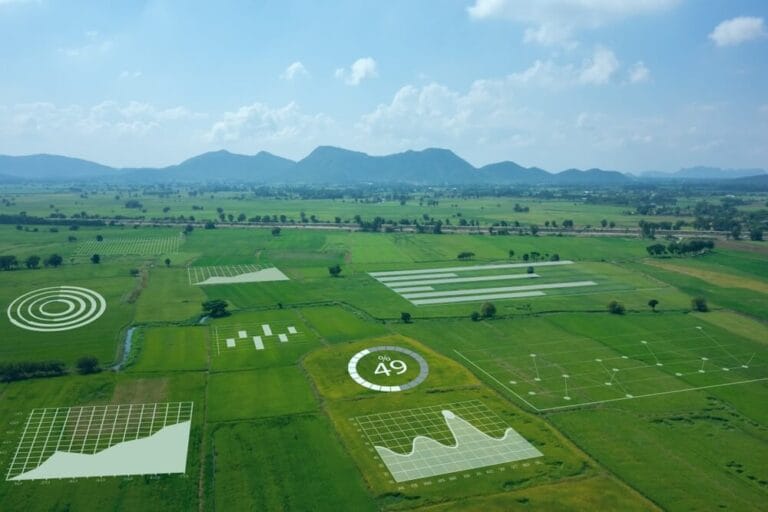
- Using precision agriculture
Increased Income Opportunities
Climate smart agriculture is an income-generating activity that can support rural development and poverty reduction.
Providing farmers with the knowledge, skills, and assistance needed to practice better farming while giving them access to the right kind of technology and climate information is one way CSA can help create employment opportunities, promote entrepreneurship, and increase the farmer’s income.
Disaster Risk Reduction
The main idea behind climate smart agriculture is to address climate change by building climate resilience through agriculture. It helps reduce the risk of crop and livestock losses from sudden climate events like storms and droughts. These also often lead to decreased productivity, insecure livelihoods, or even ruin.
Practices that encourage conservation agriculture, sustainable soil management, and sustainable water management can help reduce the risk of disasters.
Biodiversity Conservation
Climate smart agriculture practices can help protect biodiversity. Encouraging targeted conservation and ecosystem-based farming approaches can minimize harmful pesticides, increase soil fertility, and promote integrated pest management.
These kinds of farming practices also tend to preserve the ecosystem structure and ensure the vitality of important soil microorganisms that support sustainable agriculture.
Key Climate Smart Agriculture Strategies to Apply Today
Something as important and vital for our survival as climate smart farming needs to be strategically implemented if we are all to benefit from it. Here are some of the most effective CAS strategies to start implementing today:

Conservation Agriculture
Conservation agriculture (CA) is an approach that involves minimal tilling or no-till agriculture. CA farming improves soil health, increases productivity, and reduces greenhouse gas emissions.
This farming approach uses cover crops, crop rotations, and more sustainable practices for healthy soil and reduced erosion.
Agroforestry
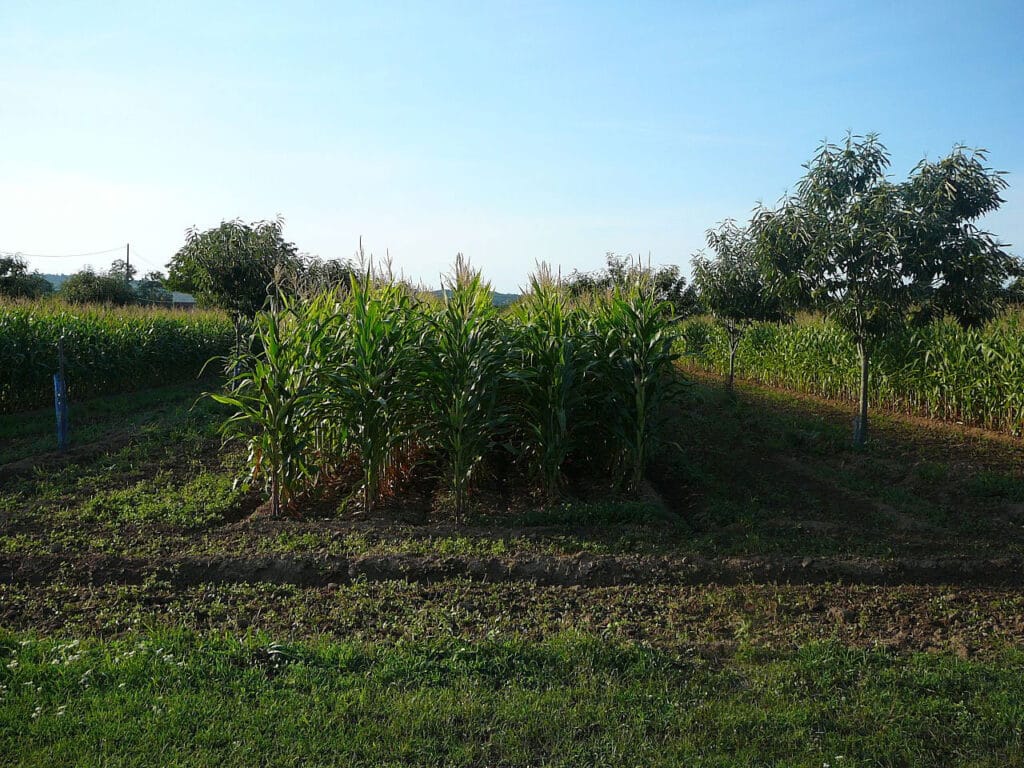
Agroforestry is an approach that incorporates trees into agricultural landscapes for a wide range of benefits. Trees are an integral part of farming because they help:
- Improve soil fertility
- Increase biodiversity
- Carbon sequestration
- Provide shade and shelter for crops and livestock to thrive
Climate Smart Livestock
One of the leading sources of GHG emissions today is livestock production. Climate-Smart Livestock (CSL) practices aim to reduce these emissions while enhancing productivity.
Climate smart livestock practices include improved feeding, breeding, and animal health management techniques to reduce emissions, increase productivity, and help the livestock build some kind of resilience to climate change.
Integrated Water Management
Integrated water management (IWM) addresses water scarcity, quality, and variability issues, which are critical concerns for agriculture in many parts of the world.
This involves efficiently using water, capturing and storing water, and using dryland farming practices such as rainwater harvesting, irrigation, and wastewater recycling.
Climate Smart Value Chains
In the Climate Smart Value Chains (CSVC) approach, a natural resource base is used to support smallholder farmers in transitioning to sustainable development practices. The aim is to incorporate climate smart practices along all value chains, from production to processing, distribution, and marketing.
The importance of and need for climate smart agriculture cannot be overstated. By practicing climate smart agriculture, we can promote a sustainable and profitable agriculture sector that provides enough food for everyone while reducing the environmental impact of outdated farming practices.
Climate smart agriculture needs to be more than an essential component of the security solution in terms of challenges and climate change mitigation and adaptation.
Climate smart agriculture, or CSA, offers an approach that addresses the triple bottom line of sustainability: social, economic, and environmental. CSA contains strategies that aim to improve productivity, reduce greenhouse gas emissions, and build resilience to climate change.
Conclusion
In conclusion, Climate Smart Agriculture (CSA) is a sustainable approach to farming that integrates social, economic, and environmental pillars of sustainability. With the global population estimated to reach 9 billion by 2050 and climate change posing a real threat to food security, CSA is becoming increasingly critical.
CSA practices, such as conservation agriculture, agroforestry, climate-smart livestock management, integrated water management, and climate smart value chains, can contribute to increased productivity, reduced greenhouse gas emissions, improved income opportunities for farmers, disaster risk reduction, and biodiversity conservation.
Implementing CSA strategies today is essential for addressing food security challenges, poverty alleviation, and climate resilience in agriculture, and promoting sustainable farming practices to support a growing and hungry global population.
Inspired? Pin it!