Smart City Living – A Guide to the Benefits and Challenges
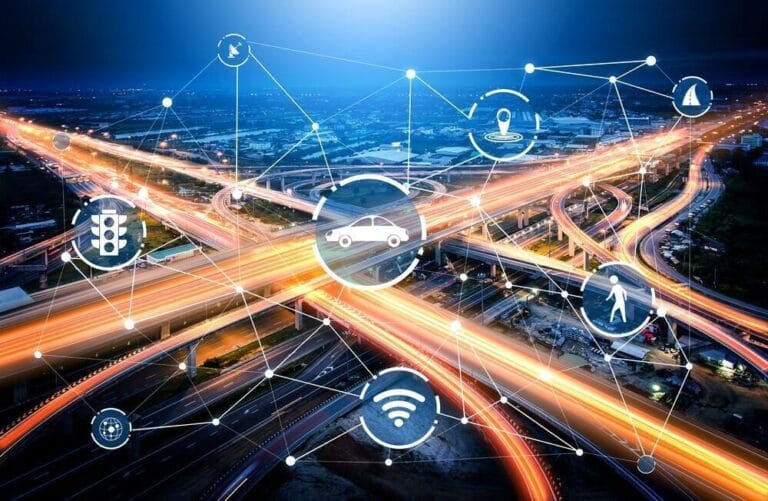
Smart cities are urban centers incorporating the latest digital advances to enhance communication, public and private services, and artificial intelligence. The result? Improved urban management and sustainability not only for government and businesses but also for the citizens.
The main objective of smart city technology is to develop an infrastructure that improves all aspects of urban living, including cultural and urban development, the economy, and the social aspects of communities, while also providing eco-friendly options. But there are some challenges that come along with these improvements.
The Advantages and Drawbacks of Digital Transformation
As smart city solutions evolve, there are emerging benefits and challenges as these urban centers continue to develop along with projected fast growth in population over the next few decades. While increased federal funding and public-private partnerships provide the financial framework for sustainable, economic smart city infrastructure, many advantages and a few drawbacks exist.
The Advantages of Smart Cities
Digital cities are a sign of advanced economic and technological development that help support corporations, manufacturers, city governments, entrepreneurs, and residents.
Improved Urban Transportation and Public Transit
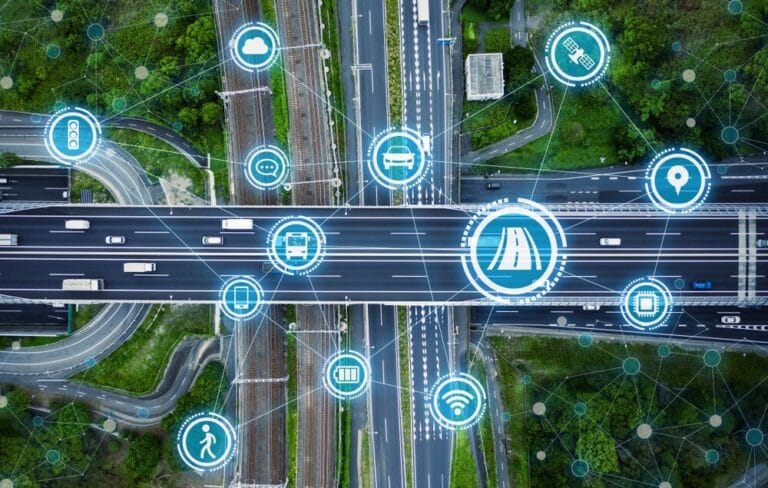
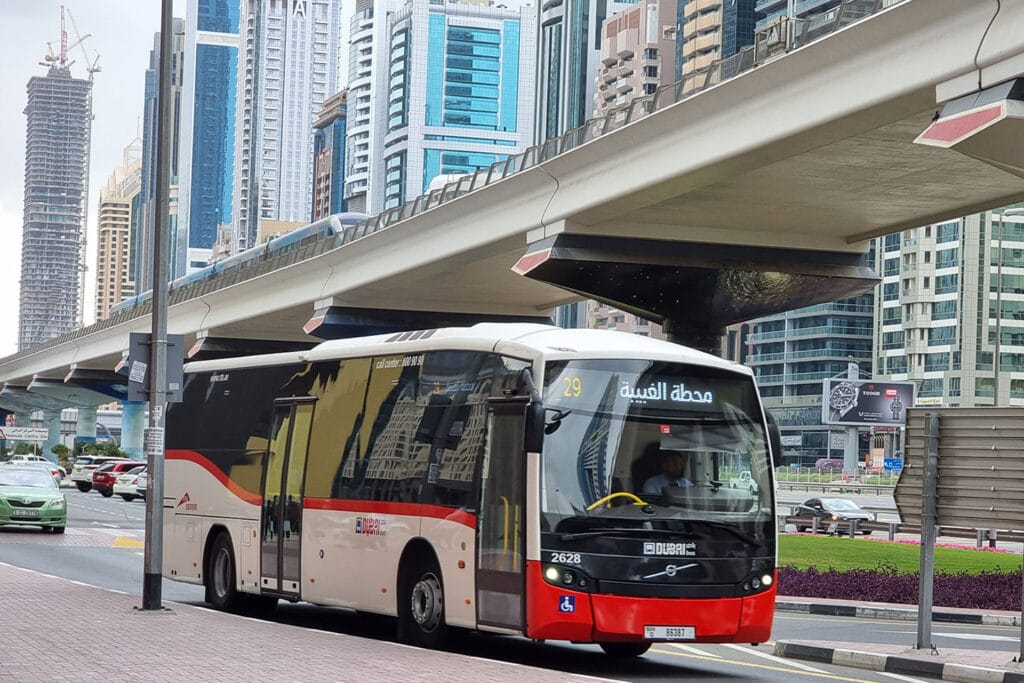
Smart cities offer improved urban mobility, better traffic flow and management, and the ability to track trains, buses, and inter-city connections. This technology provides citizens with up-to-date train schedules, delays, and traffic reports so that commuters can coordinate their arrival time with the projected length of their trip.
New Business Opportunities
Digital infrastructure is ideal for developing new economic opportunities, which play an essential role in many industries, such as tourism, public services, private businesses, and local companies while boosting the competitiveness of urban spaces to attract new citizens and business expansion.

An open data platform allows residents and businesses to analyze information, trends, and data from smart city technology and integrated systems to make informed decisions for business and related matters.
Greater Safety in Communities
Digital cities are significantly safer, as they make the most of an advanced technological infrastructure to build relationships between the private and public sectors to reduce crime and violence. These innovative solutions offer greater connections to emergency services, body cameras for police enforcement, license plate recognition, and advanced security systems.
IoT Solutions
Digital cities offer greater opportunities for IoT solutions and improved digital equity so that more people can access high-speed internet services, strategically placed public Wi-Fi spots, and affordable devices to provide more options for urban residents.
Smart cities offer a framework that allows for integrating IoT devices like sensors, smart meters, camera systems, and other emerging technology.
Improved Urban Infrastructure
Smart technology offers substantial information and detailed analytical reports to determine where to develop smart buildings, roads, bridges, and other structures. This technology is especially crucial in planning extensive projects where significant investment, maintenance, and repairs are needed in the long term.

Smart city technology can produce predictive analysis to help civil engineers avoid potential failures during large-scale construction and development projects.
Reduced Carbon Footprint
Digital cities create the ideal framework for energy-efficient buildings, smart grids, renewable energy sources, and improved air quality. IoT sensors consistently monitor and transmit environmental data, including pollution levels, emissions, and air quality in buildings, to help develop new technology to reduce environmental impact.

Easier Decision-Making
Data collection, transmission, and compiling reports for smart cities council meetings and urban planning is much faster than traditional computerized systems, which may require a team of experts to extrapolate data for timely reports. The information is highly accurate, significantly reducing time, staffing resources, and computer systems.
More Efficient Public Services
Smart cities provide greater access to more in-demand resources with better technology, including utilities, electricity through smart grid systems, and rescue usage of natural resources while improving the infrastructure. This benefit leads to significant cost savings in urban management while creating an energy-efficient system.
Greater Employment Opportunities
Digital cities offer more career opportunities for citizens, as there is equal and improved access to essential services, such as a reliable internet connection, transportation, public transit, and more remote working possibilities.
Digital Communities Deter Criminal Activity
Security cameras and monitoring equipment help decrease crime and deter vandalism and theft. As technology provides improved access to more residents, including better jobs, education, and resources, this will also contribute to less crime and more opportunities for unemployed people.

Smart City Challenges and Drawbacks
There are notable disadvantages to implementing smart city technology in urban spaces, which may initially discourage city planning initiatives or citizens from embracing it.
The widespread integration of digital devices and monitoring equipment may cause some citizens to be concerned about privacy in public spaces and around their communities.
While many city residents, businesses, and developers see the benefits of this technology, there are several drawbacks to consider when implementing new digital infrastructure.
Limited Personal Privacy
Smart devices, such as intelligent security, facial recognition technology, and security camera systems in various public spaces reduce anonymity, which can cause citizens concern about protecting their privacy.

While surveillance offers a significant amount of reassurance and footage, in the event of criminal activity, it drastically changes the concept of maintaining privacy, especially in community spaces, from shopping malls to airports to transit stations and other urban locations.
Complete Reliance on the Network
Innovative technologies rely on a centralized system, which removes a certain amount of autonomy from decision-making. This reliance on technology can become a problem if there are errors or specific tools or options are unavailable to improve the infrastructure.
The idea of relying on a network of electronic devices, sensors, and their transmitted data may be a source of debate in city hall or during city council meetings.
An Initially Expensive Investment
While integrating smart city technology offers cost-effective solutions in the long term, it’s an expensive investment that requires significant capital to get started. Implementing IoT devices may take longer than expected due to the high investments and maintenance costs, which can also increase with technology integration into existing structures and real estate.
Influence on Public Perception
Since smart city technology can enable more people and organizations to track, analyze, and report information, there is greater control to influence the public. Some people and organizations may find this ability to collect and use data for unauthorized parties a risk. However, you can add many security features to ensure greater information protection.
More E-Waste
Integrating many smart devices within a densely-populated urban space increases the risk of electronic waste. Smart cities considering IoT devices and digital systems will need to implement a waste-reduction program that includes the safe and careful disposal of electronic devices as they become more prevalent within a smart city.

Training Is Required
City employees and contractors will need the training to understand new technology, including how implementing machine learning, artificial intelligence, and IoT devices will impact their jobs. While this may present initial challenges, in the long term, city staff will find this technology improves their work experience while providing accurate, useful information.

While most drawbacks associated with this technology may cause delays, higher costs, and a significant investment, over time, the numerous benefits will outweigh the initial setbacks and provide extensive resources, opportunities, and advantages for efficient urban management.
Successful Smart Cities Around the World
As more cities embrace smart technology, digital cities continue to develop and use technology innovatively to address everything from climate change to population growth to demographic changes as well as inequality, housing, and economic growth.
Among the top goals in integrating this tech includes reducing CO2 emissions, improving street safety, reducing traffic congestion, and setting higher standards for housing, work, and living.
As more urban centers work with various industries and organizations to improve the quality of life and city infrastructure, there will be greater opportunities to develop new projects, IoT devices, and artificial intelligence-based technology worldwide.
Copenhagen’s Eco-Friendly Smart Development
Copenhagen is quickly moving to implement smart technology as a way to address climate change and strictly adhere to environmental policies. The city has already built a system that monitors air quality, traffic, waste management, and energy usage while providing regular reports through smart meters, parking systems, smart street lights, and convenient charging systems available for electric vehicles.
The city also encourages eco-friendly travel, and approximately half its citizens commute to work or school on bicycles. Mobile devices and smartphone apps provide residents and visitors helpful information like guides and interactive maps.
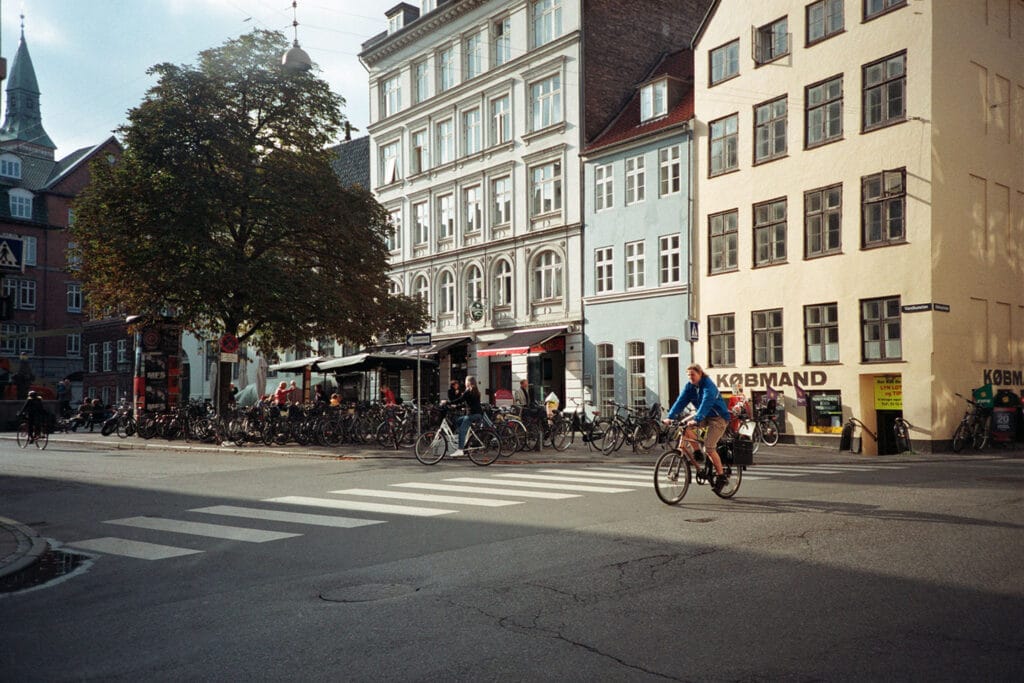
Mobile apps are developed to compile data so that users know the best routes and how fast they need to travel to make the next green light, which optimizes energy use and fuel prices.
Cyclists, pedestrians, and drivers can also monitor traffic patterns and weather in real-time to determine the best way to travel and when. These tools help optimize delivery services and improve road safety.
Singapore’s Digital Advancements for a Densely Populated Urban Space
As one of the most populated regions in Asia, Singapore uses smart technology to collect essential data on traffic and pedestrian trends, productivity, public and private businesses, agencies, and housing.
This information provides valuable reports that help develop improved housing support, crowd disbursement in sporting events and venues, and providing healthcare services for senior adults and many other services.

Urban planning in Singapore develops commercial, public, and residential structures based on in-depth data analytics while implementing energy-efficient lighting for communities, public roads, and solar panel grids.
Crime Reduction in New York City
New York City launched a program integrating hundreds of smart sensors within a specific network in several districts. Data is collected to monitor waste management and disposal patterns, and online charging stations are installed to provide more connectivity to the internet.

HunchLab, a company that uses web-based software, is currently being tested by the city’s police department, which uses historical information, crime statistics, specific location characteristics, and other details that support response to and predict criminal activity. These tests have contributed to the decrease in violent crime, which may expand to cover more districts in the future.
Boston’s Innovation District
Boston created an innovation district, a 1,000-acre urban space that supports collaborative efforts between businesses, housing developers, and public projects to provide a steady flow of relevant ideas and creative input. This experiment is one of the first smart initiatives of its kind. It has helped create and develop hundreds of startups, which revolve around voluntary participation from local businesses and citizens.

Within this framework, citizens can report structural issues at a newly developed site, road service issues, late transit routes, or even graffiti to provide timely updates to users. Further digital developments include video game simulation that engages citizens in planning areas of the city and real-time schedules on ride-sharing, bike-sharing, and traffic congestion.
Final Thoughts
Smart cities are growing steadily, which offers a more efficient way to monitor, track, and improve urban development. These innovative solutions provide smart monitoring and technology for everything from large-scale construction projects (including road and bridge building) to smart meters, energy-efficient smart grids, and mobile apps for citizens. As digital technology advances, there will be initial challenges with implementing new systems and IoT devices.
While the early stages of digital urban development face obstacles for city staff, civil engineers, businesses, local government, and citizens, there are many advantages in the near future. Smart cities and their residents will enjoy greater access to public and private services, improved safety, and eco-friendly living.
Inspired? Pin it!