Solutions for Water Scarcity in Cities – Combating Droughts & Floods
With a little over 70% of the earth’s surface covered in water, it’s hard to imagine that there are places experiencing difficulty accessing this abundant resource. The thing is, only a tiny fraction of earth’s water is freshwater, and most of it is not accessible. Here’s how the Environmental Protection Agency puts it: less than 1% of the water on Earth is available for human use.
The growing population across the world puts a continuous and increasing demand on freshwater resources. And since the volume of water on earth will always remain constant, there is bound to be scarcity. Considering these factors, are there any solutions for water scarcity, especially in areas with recurrent flooding and severe drought?
Of course, there are several ways to tackle and reduce the global water scarcity crisis, but it will take deliberate, consistent effort from all stakeholders. This article looks at effective ways cities can provide sustainable water scarcity solutions.
What Exactly Is Water Scarcity?
Water scarcity is the lack of sufficient fresh water in some regions of the world. In other words, water scarcity is when the demand for water in an area is significantly greater than its supply.
Some of the more common natural causes of water scarcity worldwide are heat waves, droughts, floods, and other climate change issues. There are also man-made problems that include population explosion, pollution, water wastage, and overuse of water. All of these are also contributing factors to the water crisis. By curtailing these factors, governments can find sustainable solutions for water scarcity.
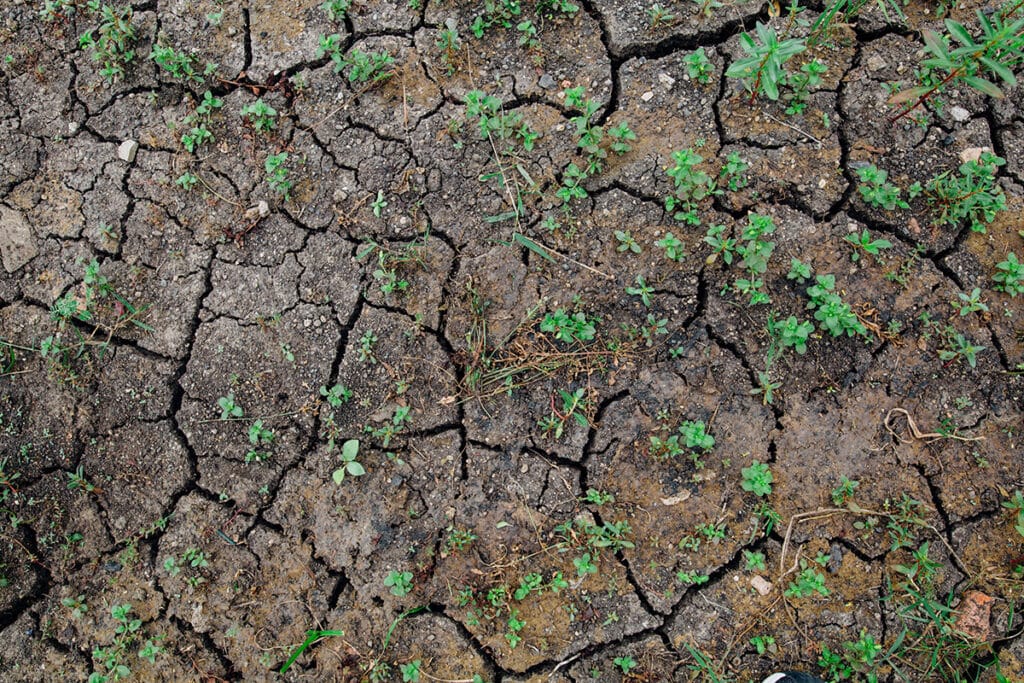
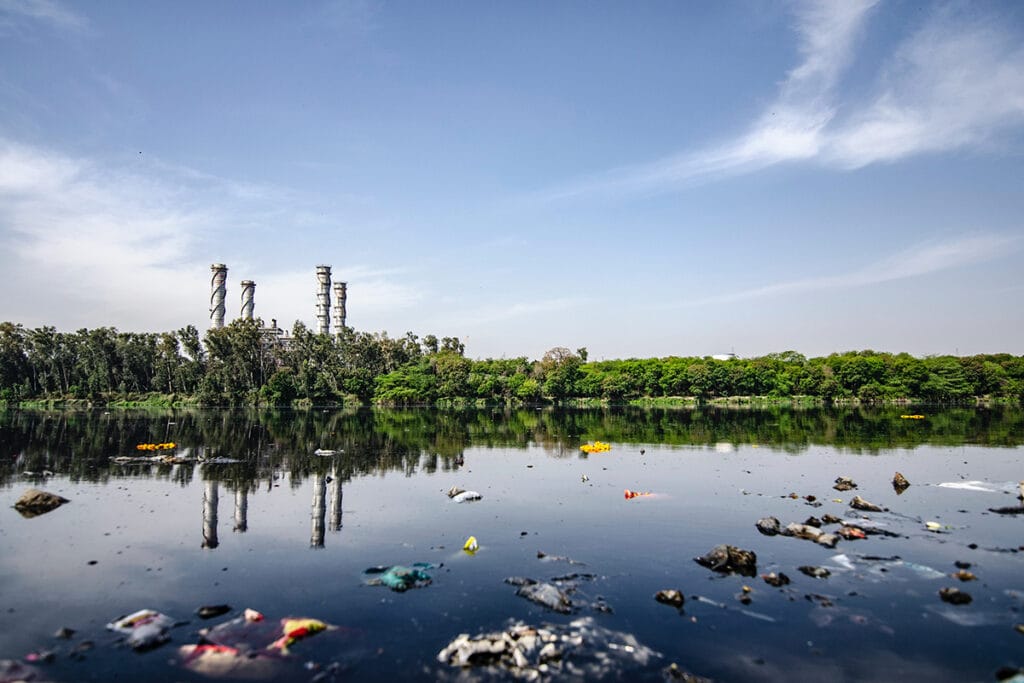
That said, water scarcity isn’t just about water shortages; a lack of access to clean water is also a huge part of the water crisis. When water is polluted from natural causes or man-made factors, it becomes unusable, regardless of the volume.
A typical example is the volume of saltwater on Earth; about 97% of all water on Earth is saltwater found in oceans. While this large volume is more than enough to solve the global water crisis, ocean water is unsuitable for human consumption.
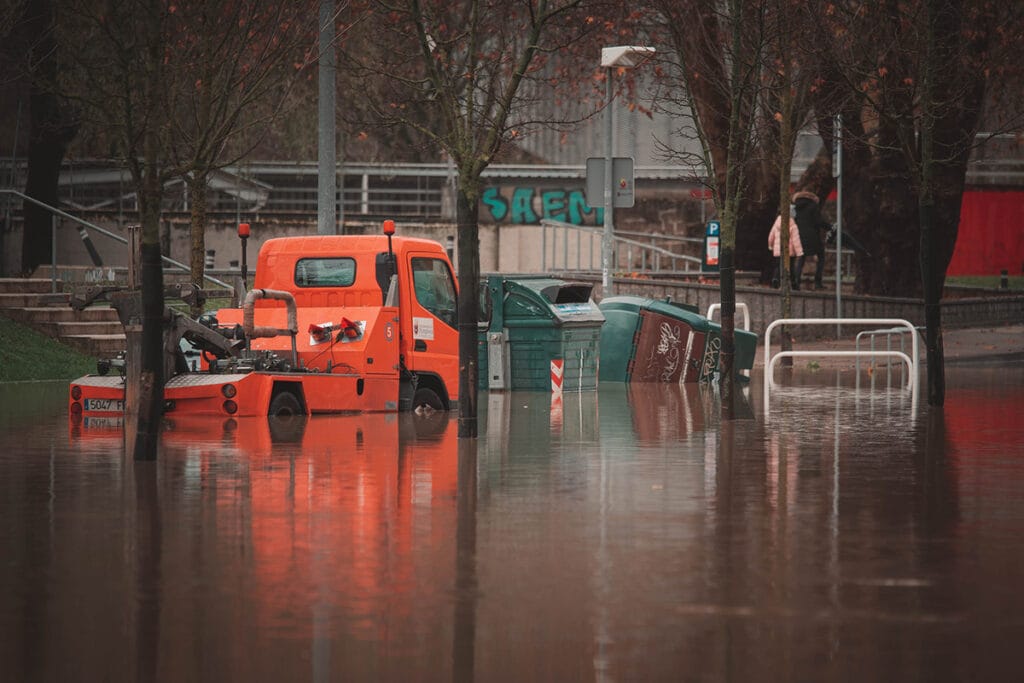
Water scarcity is a global issue, affecting two to three billion people in developing and developed countries alike. The crisis is either limited access to water or unavailability of water resources.
The former refers to economic water scarcity, where people don’t have ready access to water due to limited financial resources to store and distribute water. The latter refers to physical water scarcity, where the demand for water supersedes available water resources.
We must take deliberate steps to reduce severe water shortages that are a risk to the human race.
Effects of Water Scarcity
The effects of water shortages are varied but negatively impact our health, the environment, and socio-economic development. Some major effects of water scarcity include:
- Food shortage: It’s difficult to produce enough food without adequate water. This can lead to starvation as lack of water directly impacts crops and livestock. And with food shortage comes higher food costs, making it more expensive and less accessible to people experiencing poverty.
- Poor health and sanitation issues: Water shortages make it difficult to access safe potable water. Illnesses (such as diarrhea) caused by drinking unsafe water can lead to death. Also, people cannot enjoy good health when faced with acute food shortages and dehydration. Besides, water scarcity means more people will have difficulty cleaning their homes, washing their clothes, or taking proper showers.
- Loss of biodiversity: Water shortage can negatively affect freshwater sources like rivers and lakes. This threatens the ecosystem and biodiversity and may lead to increased nutrient pollution. In addition, areas with severe water shortages may experience loss of wetlands and floodplains.
The following are practical and sustainable ways cities can mitigate water shortage problems.
Solutions for Water Scarcity
Undoubtedly, many of the factors causing water scarcity directly result from human activities. The good news is that humans have developed effective solutions, including smart water systems, to address the problem.
These solutions allow better access, storage, and conservation of fresh water for human consumption.
1. Building Dams
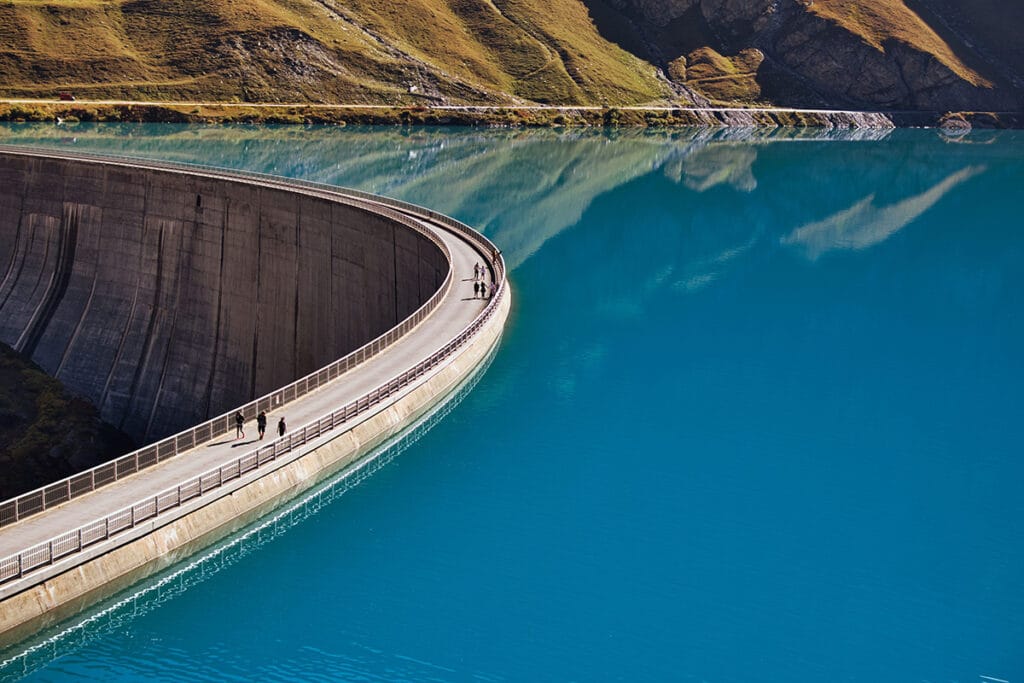
Dams are not only good for hydroelectricity generation and flood control; they are effective in solving water scarcity problems in urban areas. Interestingly, artificial lakes or reservoirs usually form behind dams. These can collect excess water during the rainy seasons and store them for use during drought.
2. Water Recycling
Recycling isn’t limited to waste or plastic. Water recycling means reclaiming water from various sources, treating it, and reusing it for other purposes. For example, homeowners can reclaim the water from sinks and reuse it for flushing toilets.
Large-scale water recycling usually involves treating wastewater from sewage systems or other sources for irrigating farmlands, industrial uses, or municipal water supply. A typical example is Orange County’s Groundwater Replenish System in California. The system reclaims approximately 110 million gallons of wastewater daily and treats it to near-distilled quality to meet around 70% of the residents’ portable water needs.
3. Rainwater Harvesting
One of the simplest solutions for water scarcity is collecting and storing rainwater for later use. Individual homeowners can use rain barrels to collect and store rainwater for use during drought.
A more complex rainwater harvesting system typically consists of several components, like a gutter for capturing rainwater, a screen for filtering large debris, a storage tank, a pump, a power supply, and more. Complex rainwater capture systems are usually best for large buildings.
Keep in mind that some states have restrictions on harvesting rainwater. It is important to check local laws to ensure you’re not violating any rules before collecting rainwater.
4. Increasing the Capacities of Water Reservoirs
In the same way that prolonged drought can dry up fresh water sources, causing water scarcity, so can flooding pollute water sources, leading to water shortages. One way to combat this is by increasing water reservoir capacities to capture and store floodwater. This way, the floodwater will not be lost to the sea. Instead, the stored water can be treated and used during dry spells.
5. Reduce Corporate Water Footprints
Corporate water footprints refer to the water consumed directly or indirectly during goods production. With industrial water consumption accounting for about 22% of global water usage, there is a need to drastically cut back corporate water footprints.
One way to do this is by adopting sustainable manufacturing. This way, companies produce goods using economically-sound processes with the least negative effect on natural resources while conserving energy.
Considering the importance of reducing corporate water footprints, experts recommend consuming tap water or using water filters to process tap water. These are more sustainable solutions for water scarcity than consuming bottled water.
Bottled water is significantly more expensive and not necessarily safer than tap water, especially in developed countries like the United States. Research shows that a liter of bottled water has an energy footprint of 7.08 MJ and a water footprint of approximately 17%. With a water consumption of 61% just for material production, the process of manufacturing bottled water is clearly not sustainable.
6. Desalinating Water From Oceans
Regions with abundant seawater can use desalination to increase the amount of fresh water available for consumption. There are a few different ways to accomplish this, such as reverse osmosis, electrodialysis, and filtration.
Israel, Saudi Arabia, Qatar, and the United Arab Emirates are among the world’s nations using desalination to generate 95 million cubic meters of fresh water daily.
Desalinating water on a large scale can be very expensive and consumes a good amount of energy. While desalination is feasible in regions with abundant oil (therefore, more energy), it might not be the best way to tackle water scarcity in cities with tight budgets. Besides, desalinating seawater might lead to environmental impact.
7. Educating Citizens on Water Conservation Practices
One simple solution for water scarcity is getting more people to change the way they use water. It starts with creating awareness and educating individuals as well as companies on water-saving methods and water-conserving behaviors.
Here are a few simple ways to reduce water usage or use it more efficiently:
- Install low-flow toilets and showers.
- Use high-efficiency washing machines and run fewer, larger laundry loads instead of frequent, small ones.
- Run a dishwasher when full instead of washing dishes by hand.
- Turn off the tap while brushing your teeth.
- Take shorter showers.
- Take showers instead of full baths.
- Address plumbing issues, like broken pipes and leaky faucets, as quickly as possible.
- Instead of tap water, collect rainwater (where permissible) to water your garden.
Solutions for Water Scarcity: Daunting but Doable
The task of combating water shortages can feel overwhelming, especially in regions with limited financial resources. It is possible to tackle this global crisis, whether caused by human activities or climate-induced—such as rising temperatures, droughts, and floods.
While current statistics and trends aren’t particularly encouraging, there is plenty of hope for the future. However, beyond hope, governments, industries, and individuals need to be more proactive. We must increase awareness of water conservation practices and invest in sustainable ways to reduce water scarcity.
Inspired? Pin it!